
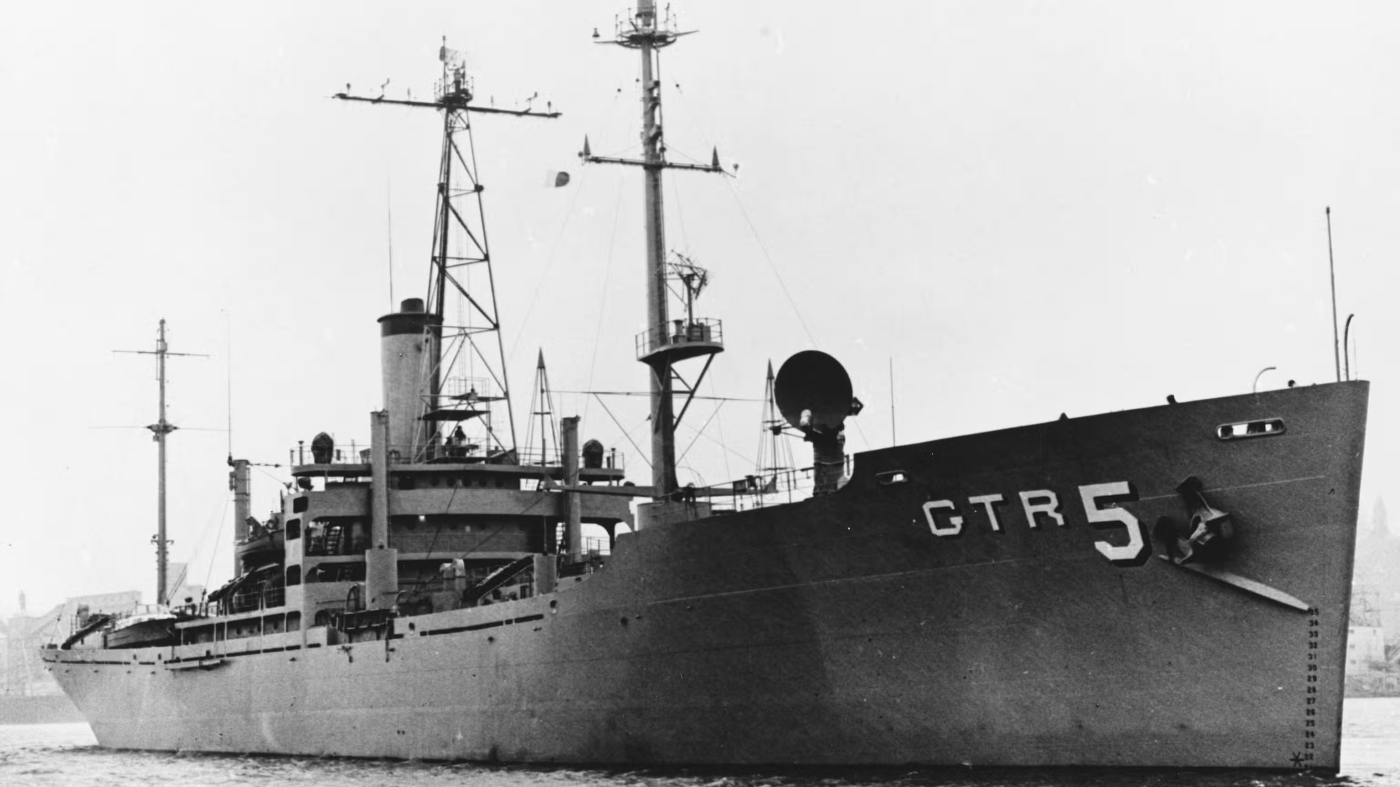
Summary of the article:
Continue reading “Veteran Seeks Another Hearing in USS Liberty Records Fight Tied to 1967 Navy Attack”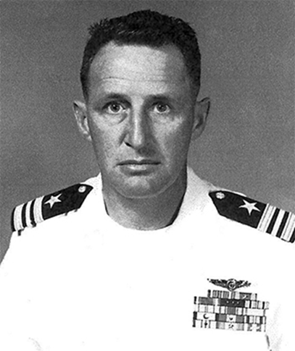
10.20.1927 – 02.01.1978
Jack Graf was born on October 20, 1927, in Los Angeles, California. He enlisted in the U.S. Navy on July 7, 1945, and completed Basic Training at NTS San Diego, California, in October 1945. He then attended Naval Photography School at NAS Pensacola, Florida, from November 1945 to March 1946, followed by service with Meteorological Squadron ONE (VPM-1) at NAS Agana, Guam, from April 1946 to July 1947.
Continue reading “Remembering LCDR John G. Graf, USN (Intelligence Officer) – MIA, South Vietnam”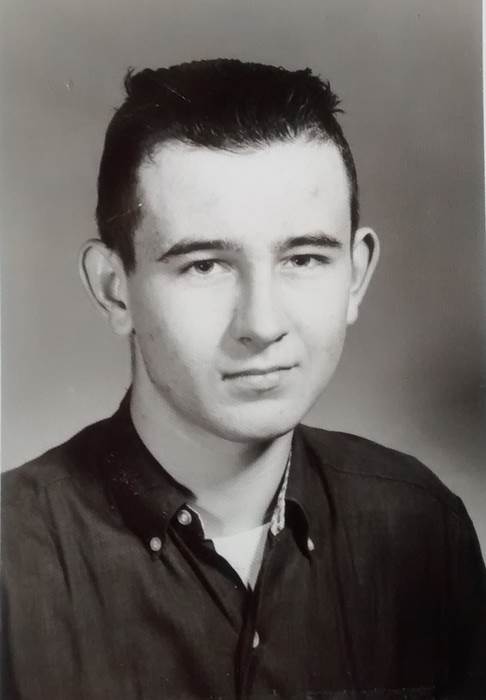
October 04, 1948 – April 15, 1969
ATN3 Gene Kenneth Graham, son of Mr. and Mrs. Kenneth Lyle Graham and Brother of Dian Lybarger. Gene was from Northville Michigan.
Continue reading “Remembering ATN3 Gene Kenneth Graham, KIA April 15, 1969, EC-121M Shoot Down”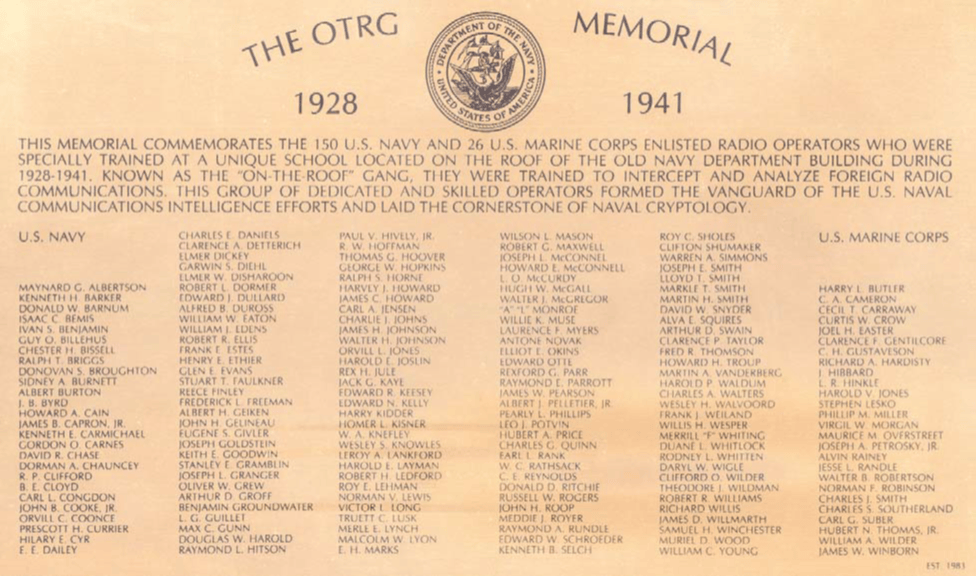
Although the first class of On the Roof Gang (OTRG) convened on 1 October 1928, the story actually started in 1921, when the Office of Naval Intelligence (ONI) covertly acquired a photographic copy of the “Imperial Japanese Navy Secret Operating Code-1918.” The code was in essence a dictionary containing a hundred thousand entries, and it took five years to translate. There were only two Japanese linguists available, and there was no urgency or incentive to complete the project. After all, having a code book is of no great advantage if one does not have access to messages being encoded in that code.
Continue reading “On The Roof Gang (OTRG) – nucleus of our community!”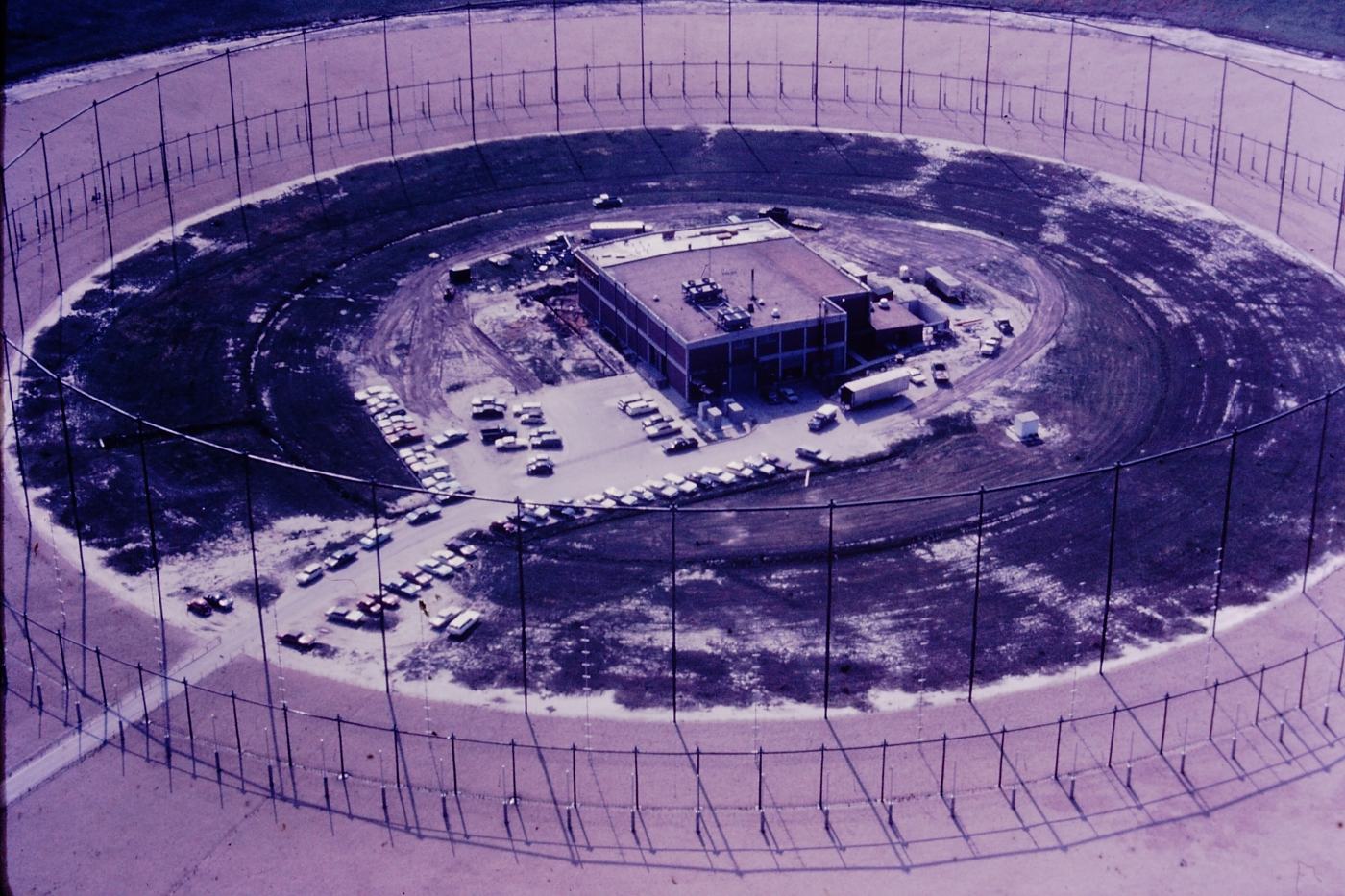
U.S. Naval Security Group Activity (NSGA) Northwest was commissioned on October 1, 1975 and closed on September 30, 2001.
Continue reading “NSGA Northwest, Chesapeake, Virginia Closed September 30, 2001”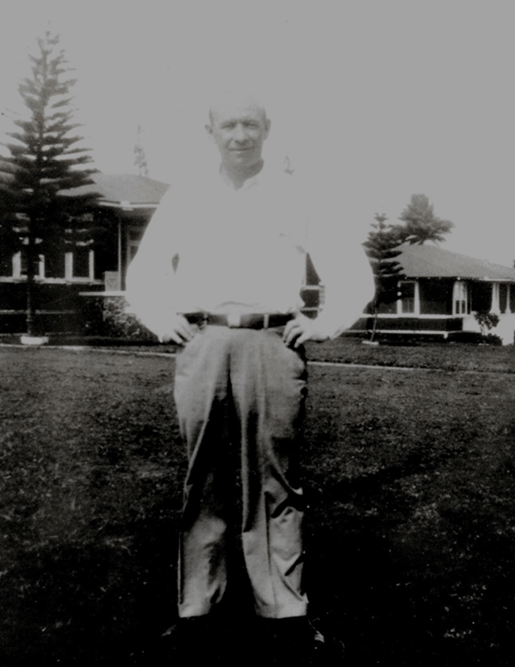
Thanks to the work of Matt Zullo, CTICM (Ret.), Chief Kidder was inducted into the Cryptologic Hall of Honor! The induction ceremony took place on November 4, 2019 at the National Security Agency.

